An Exclusive TRIP NAVIGATOR for India Tourism

Click an image to explore the beauty and stories of every districts of Tamil Nadu
Tiruchirappalli (Trichy) is a historic city in Tamil Nadu renowned for the iconic Rockfort Temple, the sacred Srirangam Ranganathaswamy Temple, and its rich cultural and religious heritage along the banks of the Cauvery River.
Rockfort Temple Tiruchirappalli, Sri Ranganathaswamy Temple Srirangam, Jambukeswarar Temple Thiruvanaikaval, Kallanai Dam, Samayapuram Mariamman Temple, Mukkombu Dam, Puliyancholai Falls...Etc....
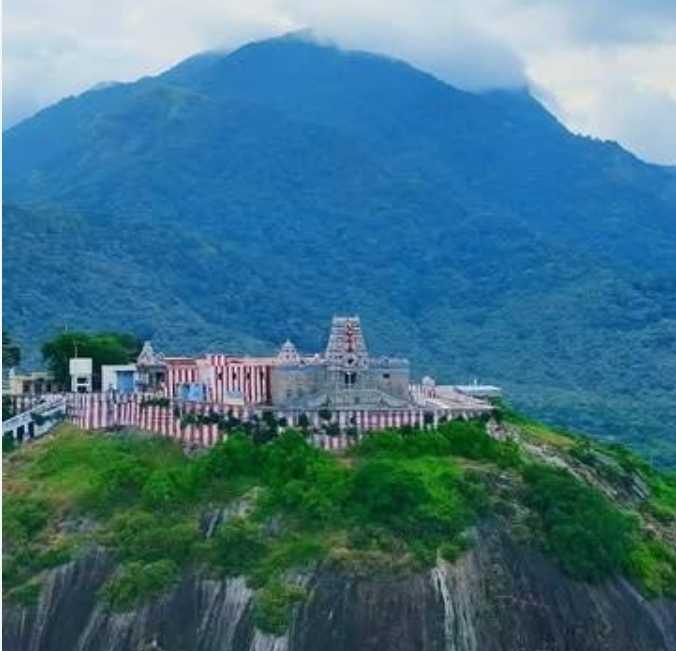
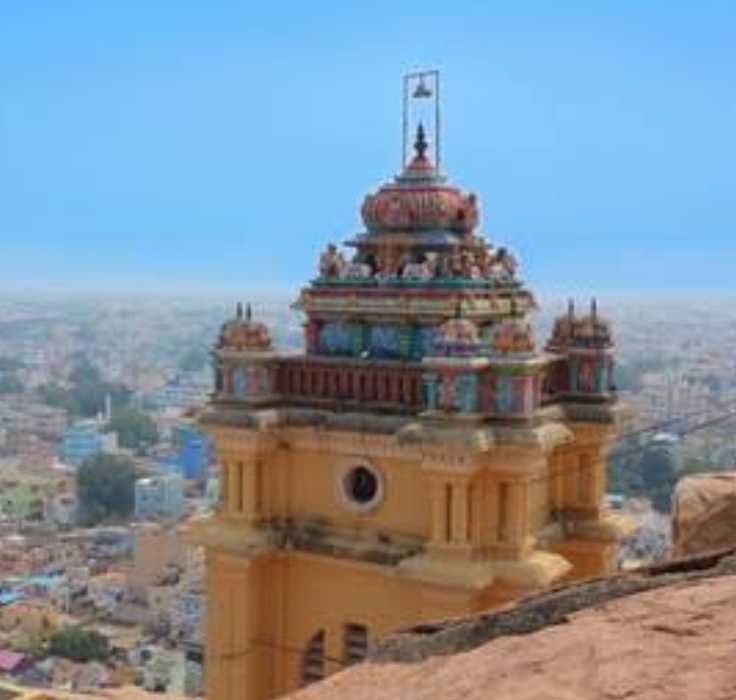
An iconic hill temple complex featuring steep steps carved into rock, offering panoramic city views. Dedicated to Lord Ganesha and Shiva, it blends history, devotion, architecture, and scenic beauty beautifully.
The Sri Ranganathaswamy Temple in Srirangam is one of the largest functioning Hindu temples in India, dedicated to Lord Vishnu, renowned for its intricate Dravidian architecture and vibrant festivals
Jambukeswarar Temple Located in Thiruvanaikaval near Tiruchirapalli, this temple is dedicated to Lord Shiva and represents one of the five major Pancha Bhoota Sthalams, symbolizing the element of water. Known for its serene ambiance, impressive Dravidian architecture, and sacred water tank, the temple attracts devotees and tourists alike, especially during the annual Aani Thirumanjanam festival.
Kallanai Dam Also known as the Grand Anicut, Kallanai Dam is one of the oldest functioning dams in the world, built across the Kaveri River by the Chola king Karikala
Chola around the 2nd century AD. It is renowned for its ancient engineering, irrigation benefits, and scenic surroundings, making it a significant historical and tourist attraction near Tiruchirapalli.
Located in Srirangam (Melur area) near the Upper Anaicut reserve forest, this is one of the largest butterfly parks in Asia, spread across about 25 acres of lush greenery.
Mukkombu, also called the Upper Anaicut, is a scenic dam located about 18 km from Tiruchirappalli. It is built across the Cauvery River, where the river splits into Cauvery and Kollidam—hence the name Mukkombu (meaning “three branches”).